What To Know
- Notice whether the smell changes with rain or HVAC use.
- Inspect moisture history before buying another deodorizer.
- A vent odor and a wet floor may need different work.
In This Article
Notice When The Smell Is Strongest
Before using a fragrance or another cleaner, record the pattern. Does the smell greet you when you open a parked car? Does it appear only during the first moments of air-conditioning use? Does rain make it worse? Has it returned after an interior detail?
Those observations are more useful than calling every odor a mold smell. Tell the assessor which seats or footwells seem involved and whether you have found moisture. A short timeline helps separate a floor problem from an HVAC concern.
If It Is Present With The Vents Off
Start with removable wet items, mats, the cargo area, and the history of any spill or water intrusion. Damp materials can be tucked away from the main seating area. A dry mat does not establish that the carpet below it is dry.
If the floor repeatedly becomes wet, our wet car carpet guide explains the likely lines of investigation. Persistent cabin odor after a water event can also justify checking layers that are not visible during a routine cleaning.
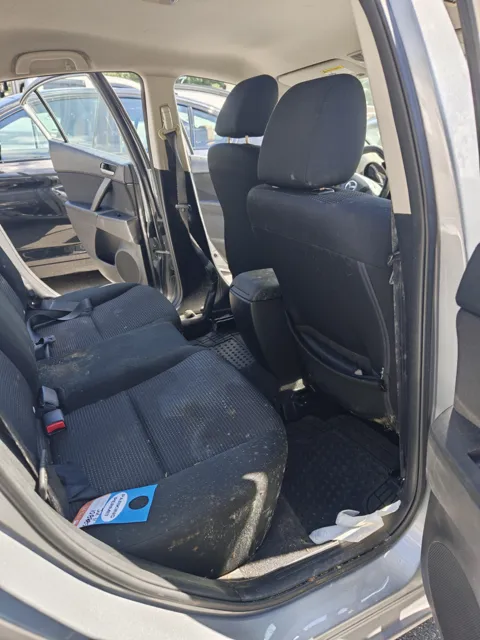
If The Odor Comes Mainly From The Vents
The HVAC system has its own possible odor sources. In its Causes Of HVAC Odor tech tip, Toyota describes odors from inside and outside the vehicle accumulating in the system. A GM service bulletin also discusses evaporator moisture and microbial growth in applicable vehicles.
These documents do not diagnose every car. They show why a vent-related odor needs a vehicle-specific HVAC assessment rather than automatic assumptions about the seats or floor.
Odor Is A Clue, Not A Health Test
A strong smell does not tell you which organism is present, how much hidden contamination exists, or what exposure means for a particular person. The absence of odor also cannot certify an interior as free of mold.
The EPA's investigation guidance treats musty odors as a reason to look for moisture and possible hidden mold in buildings. Applied to a vehicle, that means investigating the affected area and history rather than using smell as a substitute for inspection.
Why Deodorizing Alone Can Disappoint
A fragrance can change what you notice without changing the condition of a wet floor. Cleaning exposed surfaces may improve an interior while leaving an inaccessible material or recurring leak unresolved. The key question is what has changed at the source.
Our article on mold and odor returning after cleaning separates rewetting from incomplete access. If the smell returns after rain, keeping a dated record of that pattern can help the next investigation focus on water entry.
Book The Investigation That Fits The Pattern
For accessible cabin concerns, mobile assessment can establish what needs attention and whether treatment at your location is suitable. Vent-only symptoms may require HVAC diagnosis by a qualified automotive repair provider. The two can coexist, so share the full history.
When wet hidden layers or deeper contamination need interior access, CarMold Boston's In-Shop Deep Remediation is a multi-day service by appointment in Pembroke, MA. The scope should explain which concerns are being addressed and which repairs are separate.
Common Questions
Does A Musty Smell Always Mean Mold?
No. Damp materials, retained odors, and HVAC conditions can overlap. The smell helps direct an investigation but does not identify mold or prove its extent.
Will A New Cabin Filter Fix The Smell?
It depends on the source. Filter maintenance may be appropriate, but replacing a filter does not repair a water leak or dry wet material elsewhere in the vehicle.
Why Does It Smell Worse After Rain?
That pattern can suggest renewed dampness or water entry. Record where the interior becomes wet and arrange an investigation; the floor location alone may not reveal the entry point.
Sources And Further Reading
General indoor mold guidance informs moisture and material principles. Vehicle-specific documents apply to the models they identify; inspection determines what applies to your car.