What To Know
- Track whether the problem returns after rain or storage.
- Check what was included in the earlier cleaning.
- Resolve moisture and material concerns together.
In This Article
First Separate Return From A Remaining Stain
A mark that stayed after cleaning is not automatically new growth. Conversely, a clean-looking surface can later develop fresh visible changes. Compare dated photographs and describe what changed: size, texture, location, moisture, or odor.
Tell the provider how long the improvement lasted and whether the vehicle was used, parked outdoors, or stored during that interval. This avoids choosing a new treatment based only on a vague feeling that the previous one did not work. The condition still needs inspection.
A Leak Can Restart The Problem
If the floor becomes damp again after rain, the interior has another water event to address. A cleaning service and a leak repair are separate tasks unless the agreed scope explicitly covers both. Ask what was diagnosed, what was repaired, and what remains uncertain.
Toyota's water-intrusion odor bulletin makes source identification and repair a condition of its procedure for covered vehicles. Our water-leak inspection page explains how investigating entry differs from cleaning the materials that became wet.
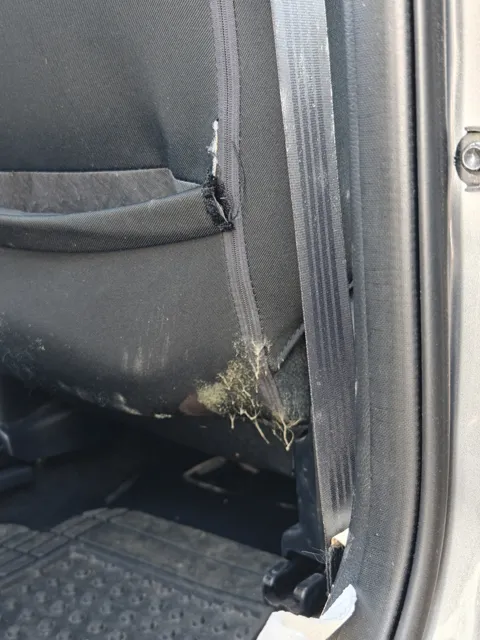
The Surface May Have Dried Before The Layers Below
A detail can reach exposed carpet while a lower layer remains inaccessible. If that layer held water, a surface-only scope may not have included the necessary access or drying. This is a reason to review the earlier work, not assume that every recurrent smell proves hidden mold.
Our guide to wet carpet padding describes this material question. Ask how the previous service established the condition below the carpet and whether the original water exposure was considered.
Not Every Material Can Be Restored In Place
Some affected components may be too deteriorated or difficult to clean adequately. The EPA notes the difficulty of removing mold from porous materials in its building guidance. For a car, retention decisions also need to respect the specific component's construction and service requirements.
If an estimate promises another spray without discussing what material is affected, ask for more detail. A clear plan explains where cleaning is appropriate and what findings would lead to replacement or a revised scope.
Odor Treatment Does Not Repair Water Entry
A change in smell is only one observation. It does not show that floor layers are dry or that a seal, drain, or other leak path is resolved. Persistent vent odors may also need an HVAC investigation rather than repeating upholstery treatment.
Read what ozone can and cannot tell you about mold removal before treating an odor service as proof of remediation. The next appointment should target the unresolved condition, rather than simply recreate the earlier service.
Build A Follow-Up Plan Around What Changed
Bring the earlier invoice, scope, leak-repair record, and photographs to the assessment. Useful questions include: did water enter again, were hidden layers accessible, and are the marks in the same location? A documented history makes it easier to choose the next investigation.
Mobile service may still suit accessible work. When repeated problems require deeper access, In-Shop Deep Remediation offers a separate multi-day plan by appointment in Pembroke, MA. Confirm how leak repair and later moisture checks fit into that plan.
Common Questions
Does Returning Mold Mean The Cleaner Did A Bad Job?
Not necessarily. New water entry, work outside the original scope, inaccessible materials, and an unresolved odor source can all affect the result. Review the scope and new findings.
Will A Stronger Chemical Stop It Returning?
A stronger product does not replace fixing water entry or addressing wet and affected materials. Treatment needs to suit the component and the actual condition.
What Should I Keep Track Of After Treatment?
Record new dampness, the weather and timing, changes in visible marks, and returning odor. Share dated photos and any subsequent leak-repair information with the provider.
Sources And Further Reading
General indoor mold guidance informs moisture and material principles. Vehicle-specific documents apply to the models they identify; inspection determines what applies to your car.