What To Know
- Photograph the seat before disturbing suspected growth.
- Seat material and underlying moisture change the plan.
- Check the neighboring floor and the original water source.
In This Article
Record The Location And Wetting History
Take a close view of the affected area and a wider photograph showing the seat's location in the cabin. Note whether the marks follow a seam, appear mainly on the lower cushion, or extend to neighboring carpet. Include when the car was last known to be dry.
A spilled drink, an open window during rain, and a repeatedly damp cabin are different histories. Tell the assessor which occurred, if known. Avoid aggressive brushing or additional saturation while the condition is being evaluated.
Fabric, Leather, And Coated Surfaces Differ
A seat may combine textile, leather, synthetic coverings, stitching, perforations, and cushioning. A method suitable for hard plastic trim is not automatically appropriate for all of those components. Material-compatible cleaning matters because the seat still needs to function and withstand normal use afterward.
The EPA's general cleanup guidance notes that porous materials can be difficult to restore after mold enters them. For seats, the actual construction and vehicle manufacturer's service information should inform the retention or replacement decision.
Look Beyond The Visible Cushion
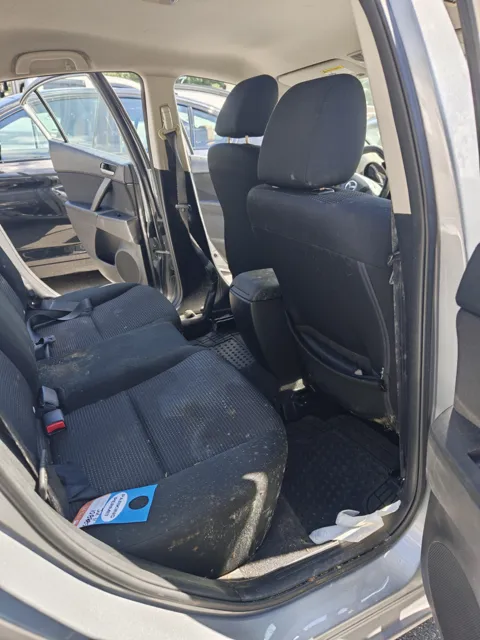
Surface marks do not show whether moisture reached deeper cushioning or the underside. Equally, a photograph of a marked seat does not prove that every layer is contaminated. The next step is to establish what became wet and which areas can be inspected.
Our Mazda interior photographs show why cabin context is useful when evaluating seat concerns. The photos document visible conditions; they do not establish a hidden-layer result or a treatment outcome by themselves.
Do Not Ignore The Floor Beside It
If the seat and lower carpet are both affected, the source may involve a broader moisture problem. Water entering from a roof opening, door area, glazing, or another body path can reach more than one material. Location helps guide investigation but does not prove which component leaked.
Read what hidden moisture under car carpet can look like if the floor has also been damp. Cleaning the seat while leaving wet neighboring layers unresolved may not address the entire condition.
Separate Appearance From A Finished Remediation
A cleaner-looking cushion is useful, but it does not establish that a leak is repaired or that deeper layers are dry. Ask the provider how the treatment scope addresses retained moisture, material condition, and areas that remain inaccessible.
Do not judge the problem's seriousness from a white or black color alone. The EPA explains that mold appearance cannot show whether it is producing mycotoxins. Color is not a substitute for determining the source, extent, and appropriate material treatment.
When More Access Is Needed
Accessible upholstery may be suitable for mobile assessment and agreed treatment. Deeper cushion concerns, extensive water exposure, or related wet floor layers can require a different plan. Seat removal involves vehicle-specific electrical and restraint-system requirements and should not be improvised.
Our professional removal guide explains the assessment questions. If shop access is recommended, CarMold Boston's In-Shop Deep Remediation is a multi-day service in Pembroke, MA. A written scope should distinguish cleaning, material replacement, and any separate automotive repairs.
Common Questions
Can Moldy Car Seats Always Be Saved?
No universal answer is possible. The extent, material construction, water history, and condition of deeper components determine whether cleaning is reasonable or replacement needs consideration.
Can I Use A Household Mold Spray On My Seat?
Do not assume a product is suitable for automotive upholstery, perforations, coatings, or electronics. Follow the product label and vehicle material guidance rather than a generic household-cleaning recommendation.
Is Black Mold On A Seat More Dangerous Than White Mold?
Color alone does not identify the organism or establish an individual's health risk. Both warrant attention to the affected materials and the moisture that allowed the growth.
Sources And Further Reading
General indoor mold guidance informs moisture and material principles. Vehicle-specific documents apply to the models they identify; inspection determines what applies to your car.